AI Gets Physical: What the Rise of Humanoid Robots Means for the Future CFO
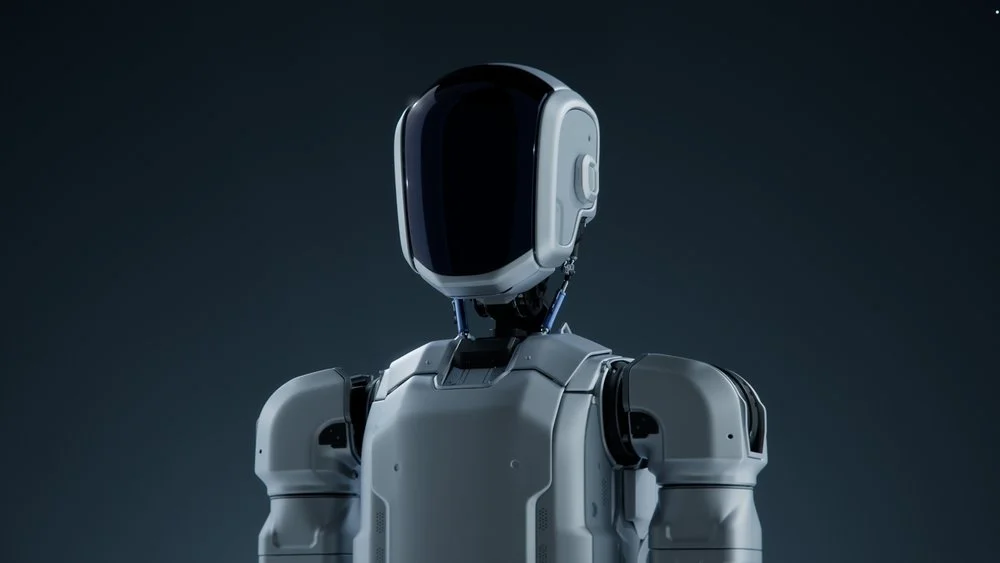
Written by Ray Nicholls, Founder, Pitch Hill Partners
AI Is Leaving the Screen and Entering the Workplace
For the past few years, most conversations about AI in finance have focused on software — automation, analytics, forecasting and reporting.
But a new report from Barclays highlights a much bigger shift now underway:
AI is becoming physical.
Humanoid robots are starting to move from labs into real workplaces — factories, warehouses, hospitals and logistics centres — augmenting the human workforce rather than replacing it:
For CFOs, this isn’t a technology story.
It’s a workforce, cost and capital allocation story.
Why This Matters Now (The CFO Context)
Barclays point to three powerful forces converging at once:
Ageing populations across developed economies
Labour shortages in physically demanding and unattractive roles
Rapid cost reductions in robotics, batteries and AI capability
Together, these forces are pushing businesses to rethink how work gets done — and how it gets funded.
This is where the CFO’s role starts to shift.
From Opex to Capex: A Structural Shift in Cost Models
Traditionally, labour has sat firmly in operating costs:
salaries
benefits
compliance
inflation-linked pay increases
Humanoid robotics introduce a different dynamic.
Instead of rising wage bills, organisations may increasingly face:
upfront capital investment
depreciation rather than payroll growth
longer-term margin stability if productivity improves
For CFOs, this creates new questions:
How do we evaluate ROI on “non-human” labour?
How do we compare machine utilisation vs headcount productivity?
How does this change cash flow forecasting and capital planning?
Productivity Without Burnout (A Quiet Advantage)
One of the more striking insights in the report is around continuous operation.
Humanoid robots don’t need shifts, holidays or sick days. Even operating at lower efficiency than humans, they can deliver higher daily output simply by working longer hours Barclays_Impact_Series_14_AI_Ge….
For CFOs, this reframes productivity:
output per hour matters less than output per day
resilience becomes as important as speed
workforce planning becomes a blended model, not binary
This Is Not About Replacing Humans
A critical point Barclays stress — and one CFOs should lean into — is that physical AI is designed to complement human work, not eliminate it.
Humanoids are best suited to:
repetitive tasks
physically demanding roles
hazardous environments
Humans remain essential for:
judgement
oversight
decision-making
leadership
In practice, this likely raises the value of human capability, not lowers it — particularly in finance leadership.
What Changes for the Future CFO?
As physical AI becomes part of the operating model, CFOs are likely to spend less time on:
cost control alone
reactive reporting
And more time on:
long-term capital strategy
productivity modelling
board-level trade-offs between people, machines and growth
helping founders and investors understand risk in a hybrid workforce
In short, the CFO becomes the translator between technology, strategy and financial reality.
A Pitch Hill Partners Perspective
At Pitch Hill Partners, we’re already seeing CFO briefs evolve.
Clients aren’t just asking:
“Can this CFO run the numbers?”
They’re asking:
“Can this CFO help us think differently about scale, productivity and the future of work?”
Understanding shifts like physical AI isn’t about being a technologist.
It’s about being commercially curious, strategically grounded and future-ready.
That’s what the next generation of CFOs will need.
If you’re a CFO, founder or investor thinking about how the finance role is evolving, we’d love to compare notes.
The future of work is changing — and finance leadership will sit right at the centre of it.